
More Roguelikes!
Among my game developer friends, I’m generally considered “the roguelike guy”, but I actually discovered roguelikes pretty late. I had heard of Nethack and Angband, and I had some vague sense that they were highly technical text-based games with a high barrier to entry. I even tried to play Nethack a few times, but I could never really get it to click for me, despite the ravings for it I’d seen and heard so often. So I don’t know what it was or why then that around 2009, in yet another attempt to play Nethack, I finally “got” it. I suppose, like books or songs, sometimes the game just has to find you, and at that time and place Nethack had definitely found me.
Since then, I’ve had it on my game-dev bucket list to create a roguelike of my own, and I’ve made multiple attempts. Before I totally gave up on Anthem, I tried to rework its design to be more roguelike, thinking that it might be a way to reduce scope (it didn’t - it just moved scope from one place to another). I’d also worked on a roguelike project called Hate, which was probably my nearest run at something you might call success. And then there are these projects.
The first has no finalized name, so I just call it by the code name, “SciFiRogue”.
SciFiRogue


SciFiRogue is my attempt at making a roguelike that works well with both and keyboard and a touch interface. The idea being that if I ever did finish the thing, it would be nice to have it work on PC and mobile devices. The game combines what I’ve learned from previous rogulike project attempts, and adds new things. In total, it has a decent collection of tech for any roguelike project, including:
- Organic Procedural Map Generation (suitable for caves, forests, etc) using Cellular Automata, Perlin Noise, and more.
- Rigid Procedural Map Generation using (suitable for castles, dwellings, etc) using binary partitioning.
- Line of Sight calculation for determining exactly what is visible and not from the player’s current position.
- A* path finding
- Perfect game state save/load
- Managed Random Number Generator, to aid in perfect state re-creation and prevent “save scumming” tactics.
- Basic Touch UI/UX for movement, ranged attacks, and interface.
- Smooth camera movement and map scrolling
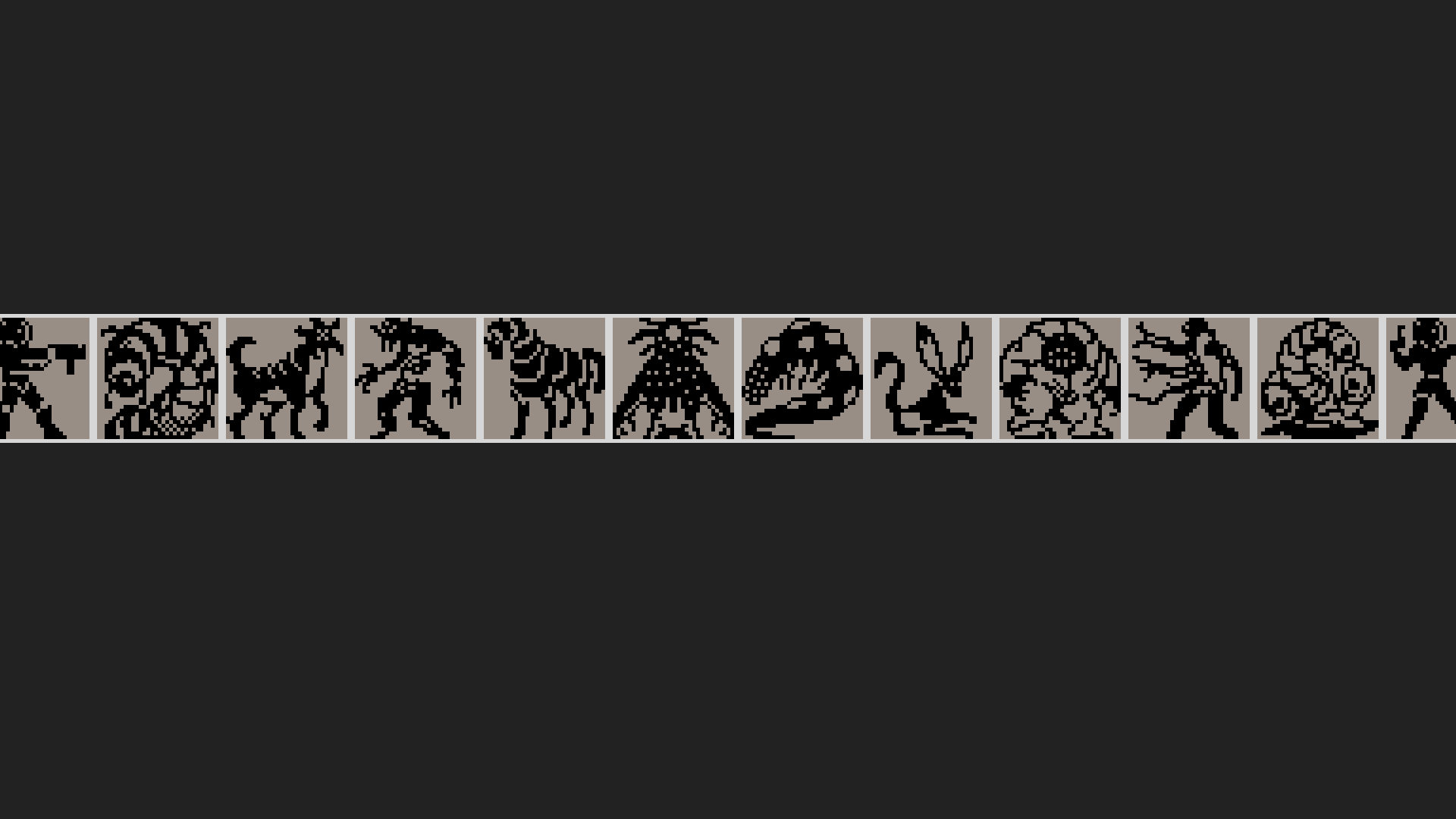
A wall paper for SciFiRogue. Right click the image to download.
In this way, SciFiRogue is more than just a game project, it’s something of a roguelike engine, usable for other similar projects. In fact, SciFiRogue codebase was the starting point for Dragon Fin Soup.
Dragon Fin Soup


I didn’t work on Dragon Fin Soup directly - I’m sad to say so, given how awesome it looks. But I’m good friends with the folks who created it, and as I noted above, the project began as a fork from SciFiRogue, which I can’t help but feel some pride in.
It was especially neat to see the game running natively on PlayStation 4 (and later on PS Vita). Here is picture I took when I first saw the game available on the PS Store.
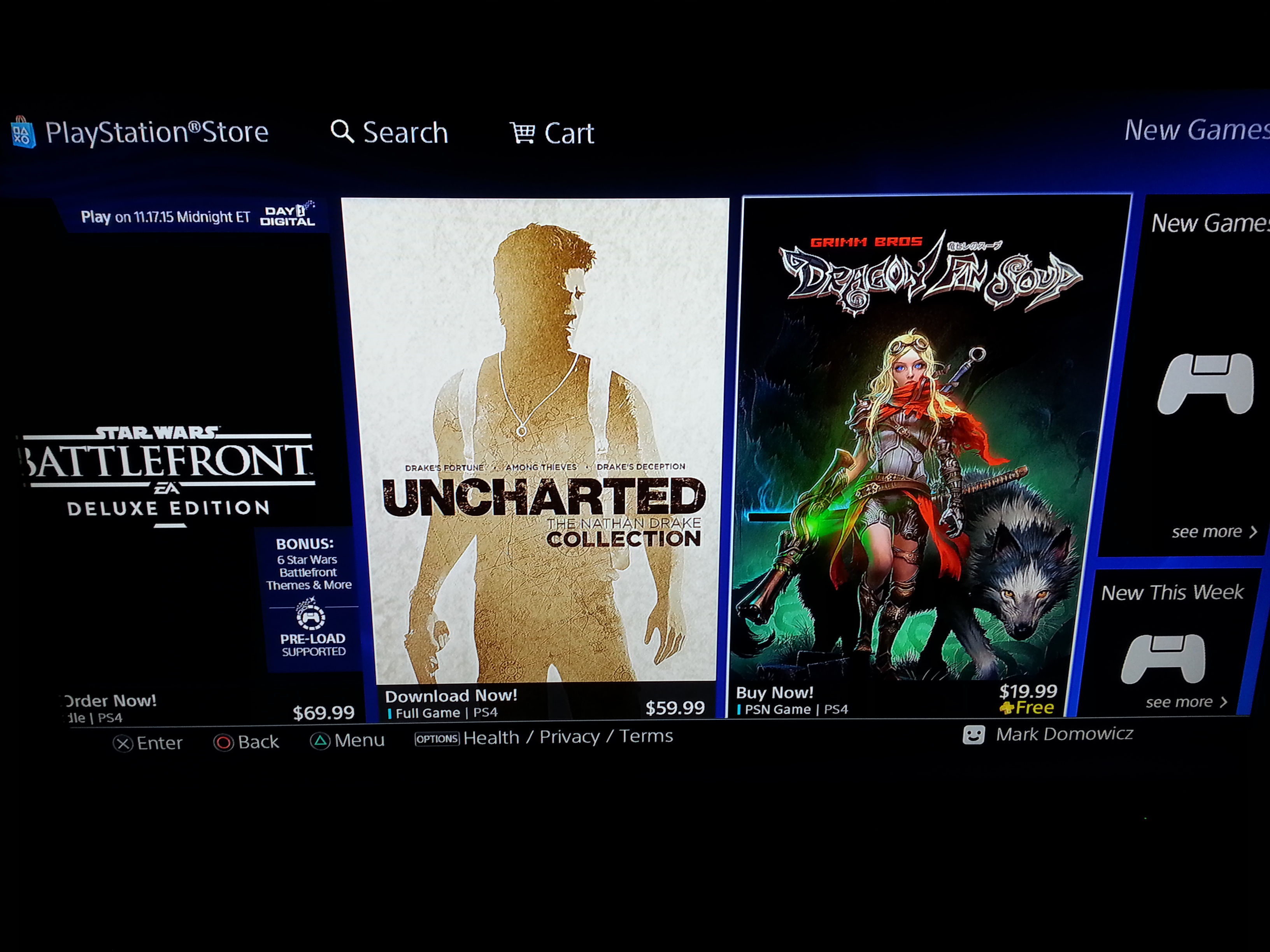
Dragon Fin Soup, available on PS4
Lastly, for fun, here is the trailer for Dragon Fin Soup. It shows some of the game in motion.